
What Affects Car Insurance Rates — Arkansas
Free to compare
Why Your Multi-Vehicle Quote Varies by Carrier
One carrier prices your household lower; another prices the same coverage higher. The variation is not random. Arkansas-specific rating factors — your garaging address, how each carrier prices the state's $25,000/$50,000/$25,000 minimum liability limits, and whether the multi-car discount applies before or after other adjustments — produce different outcomes for the same household.
This article walks through the specific factors Arkansas carriers use to price multi-vehicle policies, the structural decisions that change your premium, and how to compare quotes when the numbers do not line up. You will understand why one carrier beats another for your household and what you control in the rating process.
“The multi-car discount applies only when all vehicles sit on the same policy and share the same garaging address.”

Find Coverage That Keeps You Legal in Arkansas
Get My Arkansas Car Insurance Quote$1,050.78
Arkansas Average Annual Auto Expenditure Per Vehicle
Arkansas drivers paid an average of $1,050.78 per insured vehicle in 2023, below the national median. Multi-vehicle households typically pay less per vehicle due to the multi-car discount, but the discount's size and structure vary by carrier.
NAIC Auto Insurance Database Report 2023
Garaging Address Drives Base Rate
Arkansas carriers price policies by the garaging address you provide for each vehicle. The garaging address is where the car is parked overnight most nights, not your mailing address or registration address. Carriers assign each ZIP code a base rate reflecting claims frequency, theft rates, and accident density in that area. Urban ZIPs in Little Rock, Fort Smith, and Fayetteville carry higher base rates than rural counties. A household in Pulaski County pays more than an identical household in Madison County for the same coverage.
Arkansas recorded 179.5 motor vehicle thefts per 100,000 population in 2024 and a 12.1% uninsured motorist rate in 2023. Carriers weight these statewide figures differently by ZIP. A carrier that prices theft risk heavily will charge more in urban areas; a carrier that prices uninsured motorist exposure heavily will charge more in counties with higher uninsured rates. The garaging ZIP is the first rating variable applied, and it is not negotiable.
When you insure multiple vehicles, each vehicle's garaging address matters. If one car is garaged at a different address — a college student's dorm, a second home, a work parking lot — that vehicle is rated separately. Most carriers require all vehicles on a multi-car policy to share the same garaging address to qualify for the multi-car discount. A vehicle garaged elsewhere may not receive the discount, or it may need its own policy.
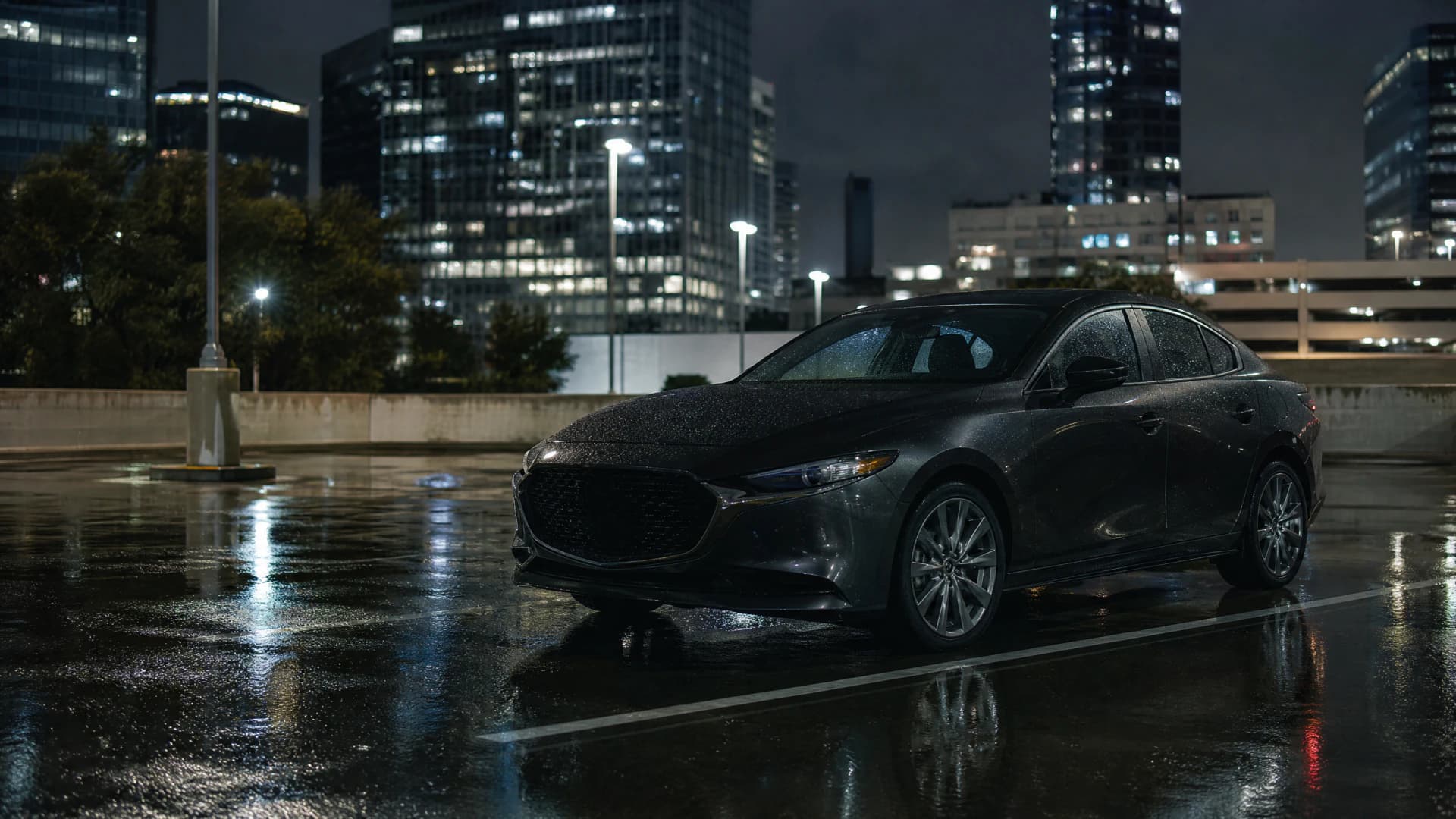
The multi-car discount requires every vehicle to sit on the same policy and usually to share the same garaging address. A car garaged elsewhere may lose the discount entirely.






Coverage Selections and State Minimums
Arkansas requires $25,000 bodily injury liability per person, $50,000 per accident, and $25,000 property damage liability. These are the minimum limits you must carry to register and legally drive. Carriers price these minimums differently. The difference reflects how each carrier prices its book of Arkansas minimum-liability policies, not the coverage itself.
When you add collision and comprehensive coverage to meet a lender's requirement or protect your vehicle's value, the premium increases by the cost of those coverages plus the deductible you select. A $500 deductible costs more per month than a $1,000 deductible. Collision and comprehensive are priced per vehicle based on the vehicle's value, age, and theft risk. A newer vehicle with a higher value costs more to insure for physical damage than an older vehicle with a lower value.
Uninsured and underinsured motorist coverage is not required in Arkansas but is available. Given the state's 12.1% uninsured motorist rate, many households add this coverage. Carriers price UM/UIM as a percentage of your liability limits. Adding UM/UIM increases the total premium, but the increase is typically smaller than the cost of collision or comprehensive.
12.1%
Arkansas Uninsured Motorist Rate
Arkansas recorded a 12.1% uninsured motorist rate in 2023, above the national average. Carriers factor this rate into liability and UM/UIM pricing, and it varies by county within the state.
Insurance Research Council, 2023
Driver History and Household Composition
Every driver listed on the policy is rated individually. Arkansas carriers pull your driving record from the state Department of Finance and Administration, Office of Driver Services. The record shows at-fault accidents, moving violations, DUI convictions, and license suspensions within the past three to five years. A clean record produces a lower rate; a record with violations or accidents produces a higher rate. The impact varies by carrier. One carrier may surcharge a speeding ticket by 15%; another by 25%.
When you insure multiple vehicles with multiple drivers, the carrier assigns each driver to a vehicle as the primary operator. The driver with the worst record is typically assigned to the most expensive vehicle, and that pairing produces the highest per-vehicle premium. You cannot hide a driver. Arkansas law requires you to list every household member of driving age on the policy or explicitly exclude them. An excluded driver cannot operate any vehicle on the policy. If an excluded driver is caught driving a covered vehicle, the claim may be denied and the policy canceled.
Compare Carriers Writing Your Household
The factors above interact differently at each carrier. A carrier that prices garaging location heavily may quote you higher in Little Rock but lower in a rural county. A carrier that applies a larger multi-car discount may beat competitors even with a higher base rate. The only way to know which carrier prices your household lowest is to compare quotes from multiple carriers writing Arkansas multi-vehicle policies.
Request quotes with identical coverage limits, deductibles, and driver assignments. Compare the total premium for all vehicles combined, not the per-vehicle breakdown. The carrier with the lowest total premium wins, regardless of how it structures the discount or prices individual coverages. Arkansas carriers writing multi-vehicle policies include State Farm, Geico, Progressive, Allstate, Farmers, Liberty Mutual, Nationwide, Travelers, and USAA (for eligible military families). Use the site's comparison tool to request quotes from carriers writing your county and household structure.
How the Multi-Car Discount Is Applied
Some carriers apply the multi-car discount as a percentage off each vehicle's base premium after all other rating factors are calculated. Others apply it as a flat dollar amount per vehicle. A percentage discount favors households with higher base premiums; a flat discount favors households with lower base premiums. Arkansas carriers writing multi-vehicle policies include State Farm, Geico, Progressive, Allstate, Farmers, and Liberty Mutual, among others. Each uses its own discount structure.
The discount typically ranges from a small percentage to a larger percentage depending on the number of vehicles. Adding a third or fourth vehicle increases the discount incrementally, but the marginal savings decrease with each additional car. The discount applies only when all vehicles sit on the same policy. If you split vehicles across two policies — one for you, one for a spouse or household member — neither policy qualifies for the multi-car discount, and you pay the single-vehicle rate twice.
Get Your Free Quote
Get My Arkansas Car Insurance QuoteFrequently Asked Questions
Does adding a third vehicle to my Arkansas policy increase my rate?
Adding a third vehicle increases the total premium because you are insuring another car, but the per-vehicle cost typically decreases due to the multi-car discount. The third vehicle is rated based on its value, the assigned driver's record, and your garaging address, then the multi-car discount is applied to all three vehicles.
Can I insure two vehicles at different addresses in Arkansas?
Yes, but most carriers require all vehicles on a multi-car policy to share the same garaging address to qualify for the multi-car discount. If one vehicle is garaged elsewhere, it may need its own policy or lose the discount.
Carriers price Arkansas policies differently based on how they weight your garaging ZIP, driving record, vehicle values, and the structure of their multi-car discount. A carrier that prices your specific risk factors lower will quote you less, even for identical coverage.
Do I save more by insuring three vehicles than two in Arkansas?
The multi-car discount increases incrementally with each additional vehicle, but the marginal savings decrease. Adding a third vehicle saves more than adding a second, but the per-vehicle discount percentage does not double. Compare total premiums across carriers to find the best rate for your household.
What happens if I exclude a household driver from my Arkansas policy?
An excluded driver cannot operate any vehicle on the policy. If they drive a covered vehicle and cause an accident, the claim will likely be denied and the carrier may cancel the policy. Exclude a driver only if they will never drive any of your vehicles.