
Why Multi-Car Households Ask About Self-Insurance
You own three or four vehicles but drive only two regularly. The third car sits in the driveway most weeks, used for errands or as a backup when one of the daily drivers is in the shop. You pay full liability and collision premiums on a car that logs 1,200 miles a year, and you wonder if Arkansas lets you post a bond or prove financial reserves instead of buying traditional coverage.
The short answer: Arkansas does not permit individual vehicle owners to self-insure. The state's self-insurance program exists only for commercial motor carriers operating fleets of 25 or more vehicles under a single USDOT number. A household with two, three, or five cars has no legal path to bond-based coverage. Every privately-owned vehicle registered in Arkansas must carry a traditional insurance policy meeting the state's minimum liability limits: $25,000 bodily injury per person, $50,000 bodily injury per accident, and $25,000 property damage.
Compare car insurance rates in your state
Get quotes from licensed carriers — no obligation, no spam, results in minutes.
Get Your Free QuoteArkansas Self-Insurance Floor
25+ vehicles
Only commercial motor carriers operating fleets of 25 or more vehicles under a single USDOT number may apply for self-insured status with the Arkansas Department of Finance and Administration. Private vehicle owners and households with fewer than 25 vehicles have no self-insurance option.
Arkansas Dept of Finance and Administration, Office of Driver Services
What Arkansas Law Actually Requires
Arkansas law treats proof of financial responsibility and insurance as the same requirement for private vehicle owners. You must carry a policy issued by a licensed carrier, and that policy must meet or exceed the state's minimum liability limits. The state does not recognize surety bonds, certificates of deposit, or cash deposits as substitutes for insurance on privately-owned vehicles.
The confusion often arises because some states permit individual vehicle owners to post a bond or deposit a set amount with the state treasurer in lieu of buying insurance. Arkansas is not one of those states. The only self-insurance pathway in Arkansas runs through the commercial motor carrier program, which requires a fleet of at least 25 vehicles, a valid USDOT number, and approval from the Department of Finance and Administration's Driver Control division.
If you own multiple vehicles and want to reduce insurance costs, your options are structuring coverage across the vehicles you actually drive, adjusting deductibles and coverage limits on the rarely-driven car, or removing the third vehicle from the road entirely by surrendering its registration.
Arkansas offers no bond, deposit, or self-insurance option for private vehicle owners. Every registered car must carry a traditional insurance policy meeting state minimums.
How Multi-Car Households Structure Coverage
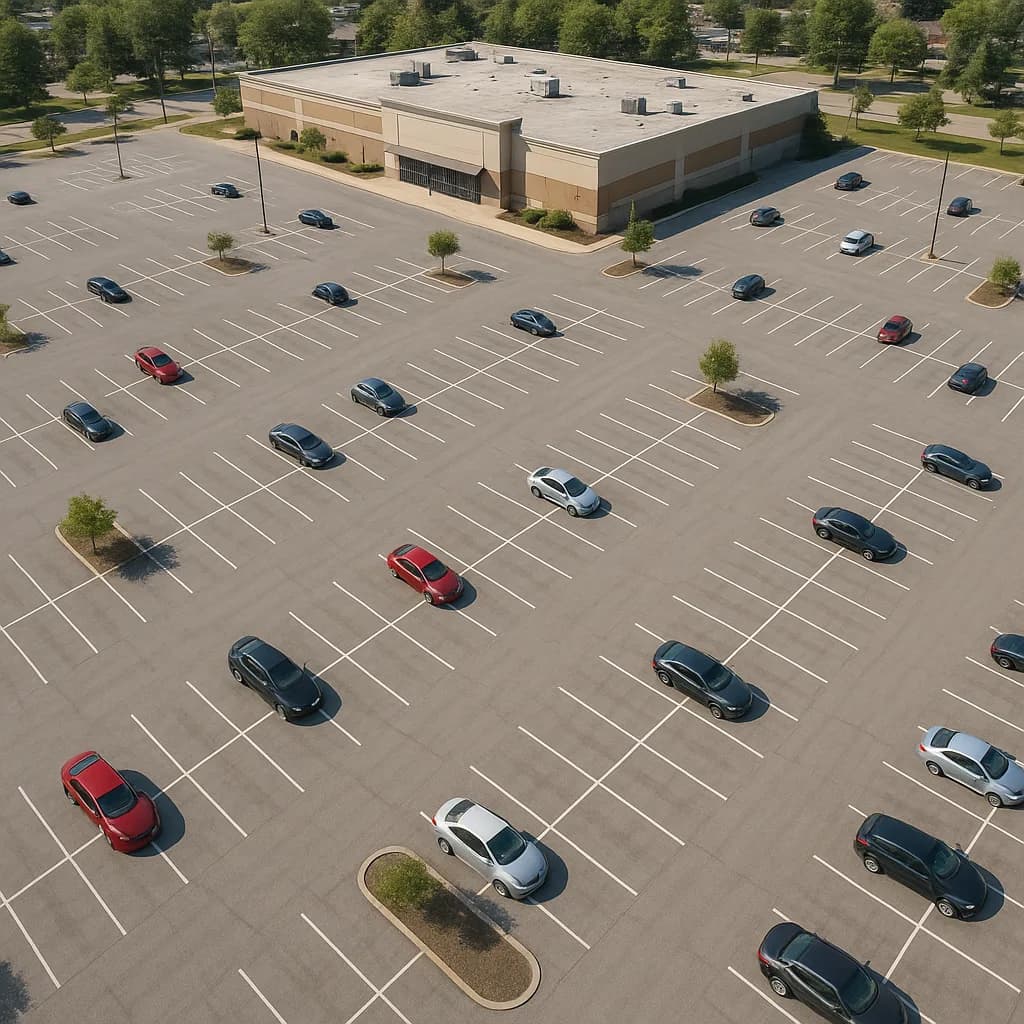
The multi-car discount applies when every vehicle sits on the same policy. Most carriers writing in Arkansas offer a discount when you insure two or more vehicles under one policy number, but the discount requires that all vehicles share the same policy and typically the same garaging address. If you title one vehicle to a household member on a separate policy, that car does not count toward the multi-vehicle discount on your policy. Combining all vehicles onto one policy usually produces the lowest combined premium, but not always: if one vehicle carries a high-risk driver or a recent claim, splitting that car onto its own policy can sometimes lower the household's total cost.
For a rarely-driven vehicle, you still must carry liability coverage meeting Arkansas minimums. You cannot drop liability on a registered car. What you can adjust: collision and comprehensive coverage. If the third car is worth less than a few thousand dollars and you could replace it out of pocket, dropping collision saves the premium for that coverage. Comprehensive coverage for theft, vandalism, and weather damage is typically inexpensive and worth keeping even on an older car, but collision premiums on a car you drive 1,200 miles a year often exceed the coverage's value. A $500 or $1,000 deductible on the rarely-driven car also lowers the premium without eliminating the coverage entirely.
Related Articles





What Happens If You Drive Uninsured
Arkansas enforces proof of insurance at registration, at traffic stops, and after any reportable accident. If you cannot provide proof of insurance when an officer requests it, you face a fine and potential license suspension.
The SR-22 is not insurance itself but a certificate your carrier files with the Arkansas Department of Finance and Administration proving you carry at least the state's minimum liability limits. The filing requirement lasts for three years from the date of the violation, and your carrier charges a filing fee each year the SR-22 remains active. Premiums for drivers who need SR-22 filing are higher than standard rates because the filing signals a lapse or violation to every carrier.
Driving uninsured to avoid paying premiums on a rarely-driven car creates a three-year SR-22 requirement and higher premiums across every vehicle you own. The cost of maintaining insurance on the third car is almost always lower than the cost of an SR-22 filing plus the reinstatement fee plus the premium increase that follows.
Arkansas Reinstatement Fee
This fee is in addition to any SR-22 filing fees and the premium increase that follows a lapse.
Arkansas Dept of Finance and Administration, Office of Driver Services
Surrendering Registration on a Vehicle You Do Not Drive
If you own a vehicle you genuinely do not drive, the cleanest path is surrendering its registration with the Arkansas Department of Finance and Administration. A vehicle with no active registration does not require insurance. You keep the title, you keep ownership, but the car cannot legally be driven on public roads until you re-register it and obtain coverage.
This option works for a project car, a seasonal vehicle, or a backup car you keep for parts or future use. It does not work for a car you drive occasionally, because driving an unregistered vehicle on public roads carries the same penalties as driving uninsured: fines, potential impoundment, and suspension of your driving privileges. If you drive the car even once a month, it must remain registered and insured.
Compare Carriers That Write Multi-Car Policies in Arkansas
The carriers writing in Arkansas vary in how they calculate the multi-car discount, how they rate rarely-driven vehicles, and whether they allow you to adjust coverage limits independently for each car on the policy. Some carriers offer usage-based programs that lower premiums on low-mileage vehicles based on actual miles driven; others do not. The only way to know which carrier structures coverage most efficiently for your household is to compare quotes with every vehicle and every driver declared.
Start with carriers that write standard multi-car policies in Arkansas: State Farm, Allstate, Progressive, Geico, Farmers, and Nationwide all operate in the state and offer multi-vehicle discounts. If one vehicle on your policy carries a high-risk driver or a recent claim, carriers like Dairyland, Bristol West, and National General specialize in non-standard coverage and may offer better combined pricing when one car on the policy does not qualify for preferred rates. Compare the total household premium across all vehicles, not just the premium on the rarely-driven car in isolation.