
Auto Insurance Rates — Arkansas
Free to compare
What Happens When You Add a Second Vehicle
You bought a second car and called your carrier to add it to your existing Arkansas policy. The quote came back higher than you expected — not just the cost of insuring the new vehicle, but a different premium for the car you already had. That's not an error. Adding a vehicle to an existing policy re-rates the entire policy, not just the new car.
Arkansas law requires every registered vehicle to carry at least $25,000 per person and $50,000 per accident in bodily injury liability, plus $25,000 in property damage liability. When you add a second vehicle, the carrier recalculates your premium based on the new household risk profile: two cars, potentially two drivers, different garaging and usage patterns. The multi-car discount applies to the combined policy, but the base rate for each vehicle can shift.
“Adding a vehicle mid-term re-rates your entire policy immediately, not just the new car.”

Find Coverage That Keeps You Legal in Arkansas
Get My Arkansas Car Insurance Quote$25,000/$50,000/$25,000
Arkansas Minimum Liability
Every registered vehicle in Arkansas must carry at least $25,000 per person and $50,000 per accident in bodily injury liability, plus $25,000 in property damage liability. These minimums apply to each vehicle on a multi-car policy.
Arkansas Department of Finance and Administration, Office of Driver Services
The Multi-Car Discount Applies to the Policy, Not Per Vehicle
The multi-car discount is a policy-level adjustment, not a per-vehicle line item. When you insure two or more vehicles on the same policy, the carrier applies a discount to the combined premium. That discount does not appear as a separate percentage next to each car. It's baked into the total.
This structure creates a common misconception: drivers expect the second car to cost a fixed amount added to the first car's premium. In practice, both vehicles are re-rated together. The carrier looks at the combined risk — both vehicles, both drivers if applicable, both garaging addresses if different — and calculates a new total. The multi-car discount reduces that total, but the discount itself varies by carrier and by the specific vehicles and drivers on the policy.
Arkansas has 2,306,921 licensed drivers and 3,216,316 registered vehicles. Many households own more vehicles than drivers. When you add a vehicle that will be driven by someone already listed on the policy, the carrier's risk calculation changes differently than if you add a vehicle and a new driver at the same time. The discount structure reflects that difference.
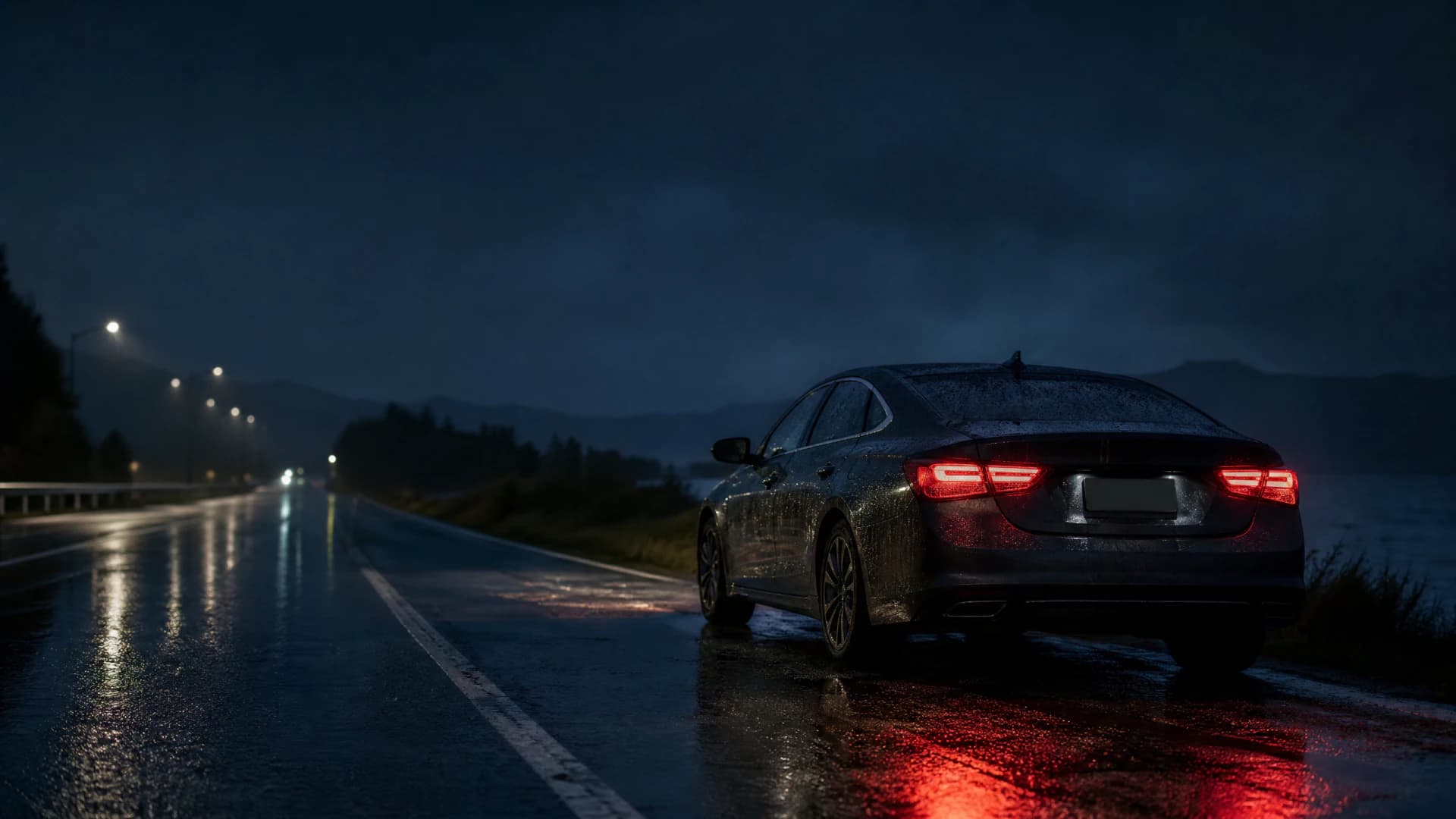
Adding a vehicle mid-term re-rates your entire policy immediately. The premium you paid for your first car changes the moment the second car is added.







When Combining Policies Saves Money and When It Doesn't
Two adults with separate single-car policies who move in together or marry face a decision: combine both cars onto one policy, or keep two separate policies. The multi-car discount makes combining policies attractive in most cases, but not all.
If both drivers have clean records and similar risk profiles, combining policies almost always reduces the total premium. The multi-car discount offsets the administrative cost of managing two separate policies, and the carrier prices the combined household risk lower than two independent risks. But if one driver has a recent violation — a DUI, a reckless driving charge, or multiple at-fault accidents — that driver's risk profile can raise the premium for both vehicles when combined. In that scenario, keeping the high-risk driver on a separate policy may cost less overall.
Arkansas recorded 1.52 traffic fatalities per 100 million vehicle miles traveled in 2023, and 26% of those fatalities involved alcohol impairment. Carriers price DUI and DWI convictions aggressively. A driver with a recent DWI may need to file a restricted driving permit and potentially an interlock restricted license, and that driver's premium will reflect the elevated risk. Adding that driver's vehicle to a clean-record spouse's policy can raise the spouse's vehicle premium substantially.
The decision hinges on comparing the combined-policy premium against the sum of two separate policies. Request quotes both ways. Some carriers offer better multi-car discounts than others, and some price high-risk drivers more competitively on standalone policies.
12.1%
Arkansas Uninsured Motorist Rate
12.1% of Arkansas motorists drive uninsured. Adding uninsured motorist coverage to a multi-car policy protects every vehicle and driver on the policy if an uninsured driver causes an accident.
Insurance Research Council, 2023

Coverage Decisions That Affect Multi-Car Policy Cost
Every vehicle on a multi-car policy can carry different coverage levels. You can insure one car with full coverage — comprehensive and collision plus liability — and another with liability only. This flexibility matters when one vehicle is financed and requires full coverage, and another is paid off and older.
Arkansas does not require comprehensive or collision coverage by law, but lenders do. If you finance a second vehicle and add it to your policy, the lender will require full coverage on that car. Your first car, if paid off, can stay on liability-only coverage. The multi-car discount applies to the combined policy regardless of whether every vehicle carries the same coverage level.
Uninsured motorist coverage is optional in Arkansas, but 12.1% of drivers on Arkansas roads are uninsured. Adding uninsured motorist coverage to a multi-car policy covers every vehicle and every driver listed on the policy. The cost is lower per vehicle when added to a multi-car policy than when purchased separately for each car on individual policies.
Compare Carriers Writing Multi-Car Policies in Arkansas
Not every carrier prices multi-car policies the same way. Some carriers offer larger multi-car discounts but higher base rates. Others offer smaller discounts on lower base rates. A 20% discount on a high base rate can cost more than a 10% discount on a low base rate.
Arkansas has carriers writing standard, preferred, and non-standard auto insurance. Standard carriers like State Farm, Geico, Progressive, Allstate, and Farmers write multi-car policies for drivers with clean or moderately clean records. Preferred carriers like USAA and Amica write policies for low-risk drivers and typically offer the lowest base rates but stricter underwriting. Non-standard carriers like Bristol West, Dairyland, The General, and Direct Auto write policies for drivers with violations, lapses, or high-risk profiles, and those carriers also write multi-car policies.
Request quotes from at least three carriers in different tiers. If you have a clean record, compare preferred and standard carriers. If you have a recent violation, compare standard and non-standard carriers. The carrier that priced your single-car policy competitively may not price your multi-car policy the same way.
How Carriers Calculate Multi-Vehicle Premiums
First, the carrier assigns a base rate to each vehicle based on its make, model, year, safety features, theft risk, and repair cost. Then it layers in driver-specific factors: age, driving record, credit score where Arkansas law permits, and years of continuous coverage. Each vehicle is paired with its primary driver, and the carrier calculates the risk for that pairing.
Next, the carrier applies the multi-car discount to the combined total. That discount typically ranges from a small adjustment to a more substantial reduction, depending on the carrier's underwriting model and the specific vehicles involved. A household with two sedans garaged at the same address will see a different discount structure than a household with a sedan and a truck garaged at different addresses, even on the same policy.
Get Your Free Quote
Get My Arkansas Car Insurance QuoteFrequently Asked Questions
Does adding a second car to my Arkansas policy automatically give me a multi-car discount?
Yes, most carriers apply a multi-car discount automatically when you add a second vehicle to your policy. The discount is built into the combined premium, not listed as a separate line item. The size of the discount varies by carrier and by the specific vehicles and drivers on your policy.
Can I insure two cars on one policy if they are garaged at different addresses in Arkansas?
Yes, you can insure two cars on one policy even if they are garaged at different addresses, but the carrier will price each vehicle based on its garaging address. A car garaged in Little Rock will have a different base rate than a car garaged in a rural county, and both rates will appear on the same policy.
Do I need the same coverage level on every car on a multi-car policy in Arkansas?
No, each vehicle on a multi-car policy can carry different coverage levels. You can insure one car with full coverage and another with liability only. Arkansas requires $25,000/$50,000/$25,000 liability minimums on every registered vehicle, but comprehensive and collision are optional unless a lender requires them.
Will my premium go down if I remove a car from my multi-car policy in Arkansas?
Removing a car from your multi-car policy re-rates the remaining vehicles. Your premium will drop because you are insuring fewer vehicles, but the per-vehicle cost may increase because the multi-car discount shrinks or disappears if you drop below two vehicles. Request a quote before removing a vehicle to see the new total.
Can I combine my car insurance policy with my spouse's if we have different carriers in Arkansas?
Yes, you can combine both vehicles onto one policy with one carrier. You will need to cancel one of the existing policies and move both cars to the other carrier, or cancel both and start a new policy with a third carrier. Compare the combined-policy premium from multiple carriers before deciding which one to use.
Does Arkansas require uninsured motorist coverage on a multi-car policy?
No, Arkansas does not require uninsured motorist coverage, but 12.1% of Arkansas drivers are uninsured. Adding uninsured motorist coverage to a multi-car policy protects every vehicle and driver on the policy if an uninsured driver causes an accident. The cost per vehicle is lower on a multi-car policy than on separate policies.