
Arkansas Car Insurance Law Coverage — Arkansas
Free to compare
What Arkansas Law Actually Requires
Arkansas law requires liability insurance only. The state sets three minimum liability limits: $25,000 bodily injury per person, $50,000 bodily injury per accident, and $25,000 property damage. Every registered vehicle must carry at least these amounts. The state does not mandate personal injury protection, uninsured motorist coverage, or collision and comprehensive coverage.
Carriers often quote policies that include coverages beyond the legal minimum. Those additional coverages may be smart financial decisions, but they are not required to register a vehicle or satisfy Arkansas law. The legal compliance floor is narrow: bodily injury and property damage liability at the stated minimums.
“Arkansas requires liability only — every other coverage on your quote is optional under state law.”

Find Coverage That Keeps You Legal in Arkansas
Get My Arkansas Car Insurance Quote$25,000 / $50,000 / $25,000
Arkansas Liability Minimums
Bodily injury per person, bodily injury per accident, and property damage. These three limits are the only coverages Arkansas law mandates. Every other coverage type on a quote is optional under state law.
Arkansas Dept of Finance and Administration, Office of Driver Services
Liability Coverage Explained
Bodily injury liability pays medical expenses, lost wages, and legal costs when you injure someone in an accident you caused. The per-person limit applies to each injured individual; the per-accident limit is the total the policy pays for all injuries in one crash. Property damage liability pays repair costs when you damage someone else's vehicle or property.
Arkansas's $25,000 per-person bodily injury limit is low compared to typical medical costs after a serious crash. A single emergency room visit, imaging, and follow-up care can exceed that amount. The $25,000 property damage limit may not cover the full replacement cost of a newer vehicle. Carrying only the state minimums satisfies the law but leaves you personally liable for costs above those limits.
Liability coverage does not pay for your own injuries or vehicle damage. If you cause an accident, your liability policy pays the other driver's costs, not yours. Your own medical bills and vehicle repairs require different coverages.
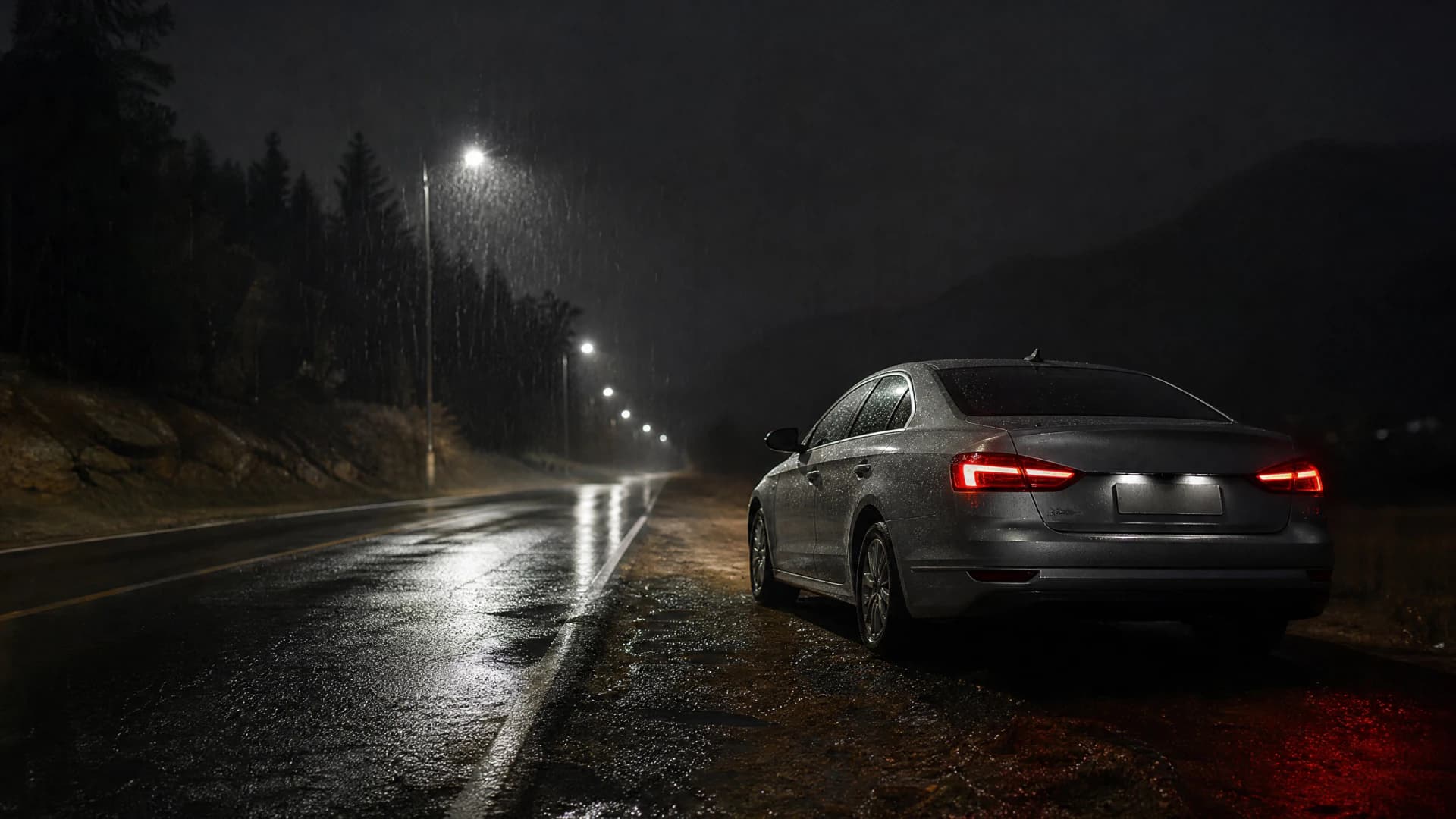
Arkansas does not require you to carry coverage for your own injuries or vehicle damage. Liability protects others; it does not protect you.
Related Articles





Proof of Insurance and Enforcement
Arkansas requires you to carry proof of insurance in the vehicle at all times. Acceptable proof includes a paper insurance card from your carrier, a digital card on your phone, or an electronic confirmation your carrier files with the state. Officers can verify coverage electronically during a traffic stop, but carrying your own proof avoids delays.
Driving without insurance in Arkansas is a misdemeanor. First-offense penalties include a fine and suspension of your driver's license and vehicle registration. The Arkansas Department of Finance and Administration, Office of Driver Services, administers the suspension. The SR-22 is not a type of insurance; it is a form your carrier files with the state to prove you carry at least the minimum required liability limits.
Arkansas uses an electronic insurance verification system. The state receives regular updates from carriers about which vehicles are insured. If your policy lapses or cancels, the state receives notice and can suspend your registration without a prior traffic stop.
12.1%
Uninsured Drivers in Arkansas
More than one in ten Arkansas drivers carries no insurance. If an uninsured driver causes a crash, their liability policy does not exist to pay your claim. Uninsured motorist coverage protects you in that scenario, but Arkansas does not require it.
Insurance Research Council, 2023

How Carriers Structure Policies Around the Minimums
Most carriers in Arkansas offer policies at the state minimum liability limits, but many recommend higher limits. Some carriers bundle uninsured motorist coverage into every policy unless you explicitly decline it in writing. Others quote it as an optional add-on.
When you request a quote, the carrier presents a base policy that meets Arkansas's legal requirements and a list of optional coverages. The base policy includes the three liability minimums. Everything else is a decision you make based on your vehicle's value, your assets, and your risk tolerance. Lenders add their own requirements on top of the state's: financed vehicles almost always require collision, comprehensive, and higher liability limits than the state mandates.
Compare Policies That Meet Arkansas Requirements
Arkansas law sets a narrow compliance floor: $25,000/$50,000/$25,000 liability. Every other coverage is optional. Compare quotes from carriers licensed in Arkansas to see how they price the state minimums and what they charge to add uninsured motorist, collision, and comprehensive coverage. Carriers writing policies in Arkansas include State Farm, Geico, Progressive, Allstate, Farmers, Nationwide, and others. Each structures optional coverages differently, and premiums vary by carrier, location, driving record, and vehicle.
Start by confirming the quote meets the state minimums. Then decide which optional coverages fit your situation. If you own your vehicle outright and it has low value, you may skip collision and comprehensive and still satisfy Arkansas law. If you finance, your lender decides. If you want protection from uninsured drivers, add uninsured motorist coverage. The law does not require it, but the 12.1% uninsured rate in Arkansas means the risk is real.
Optional Coverages Carriers Offer
Uninsured and underinsured motorist coverage pays your medical bills and vehicle damage when the at-fault driver has no insurance or insufficient limits. Arkansas does not mandate this coverage, but 12.1% of Arkansas drivers are uninsured. If an uninsured driver hits you, their liability policy does not exist to pay your claim. Uninsured motorist coverage steps in. Underinsured motorist coverage applies when the at-fault driver carries only the state minimums and your costs exceed those limits.
Collision and comprehensive coverage pay for your own vehicle damage. Collision covers crashes with other vehicles or objects; comprehensive covers theft, vandalism, weather, and animal strikes. Lenders require both coverages when you finance or lease a vehicle, but Arkansas law does not. If you own your vehicle outright, you can drop both and still meet the state's legal requirements. Personal injury protection covers your own medical bills regardless of fault. Arkansas does not require PIP, and most Arkansas policies do not include it unless you add it.
Get Your Free Quote
Get My Arkansas Car Insurance QuoteFrequently Asked Questions
Does Arkansas require uninsured motorist coverage?
No. Arkansas does not mandate uninsured motorist coverage. Carriers may offer it, and some bundle it into policies unless you decline in writing, but the state does not require it. Given that 12.1% of Arkansas drivers are uninsured, many drivers choose to add it.
What happens if I drive in Arkansas without insurance?
Driving without insurance in Arkansas is a misdemeanor. Reinstatement requires proof of insurance and may require an SR-22 certificate filed by your carrier.
Do I need collision and comprehensive coverage in Arkansas?
Arkansas law does not require collision or comprehensive coverage. Lenders require both when you finance or lease a vehicle, but if you own your vehicle outright, you can drop both and still meet the state's legal requirements. The decision depends on your vehicle's value and your financial situation.
What is an SR-22 in Arkansas?
An SR-22 is a certificate your insurance carrier files with the Arkansas Department of Finance and Administration to prove you carry at least the state's minimum required liability coverage. It is not a type of insurance. Arkansas requires SR-22 filing after certain violations, including driving without insurance or a DUI.
Can I use a digital insurance card in Arkansas?
Yes. Arkansas accepts digital proof of insurance displayed on your phone, a paper insurance card, or electronic confirmation your carrier files with the state. Officers can verify coverage electronically during a traffic stop, but carrying your own proof avoids delays.
Are Arkansas's minimum liability limits enough?
Arkansas's $25,000 per-person bodily injury limit and $25,000 property damage limit are low compared to typical crash costs. A serious injury or a totaled newer vehicle can exceed those amounts, leaving you personally liable for the difference. Many drivers carry higher limits to reduce that exposure.