
Personal Injury Protection Coverage — Arkansas
Free to compare
What PIP Covers When You Insure Multiple Vehicles
You're reviewing your household's auto policy — maybe two cars, maybe three — and Personal Injury Protection appears as an optional add-on. Arkansas does not require PIP. The state's minimum liability limits are $25,000 per person for bodily injury, $50,000 per accident, and $25,000 for property damage, with no mandatory medical-payments or injury-protection coverage. That means PIP is a choice, not a compliance requirement.
The question households face: does adding PIP to a multi-vehicle policy make sense when you already carry health insurance, and does it cover every driver and passenger across all the cars on the policy, or only specific vehicles? The answer depends on how PIP works structurally — what it pays for, who it covers, and how it interacts with the health coverage you already have.
“PIP follows the vehicle, not the driver — add it to one car and only that car is covered; add it to all three and every passenger across your household is protected.”

Find Coverage That Keeps You Legal in Arkansas
Get My Arkansas Car Insurance Quote$25,000 / $50,000 / $25,000
Arkansas Minimum Liability Limits
Bodily injury per person, bodily injury per accident, and property damage. Arkansas does not mandate PIP or medical payments coverage, so injury-related medical costs fall to the at-fault driver's liability or your own health insurance unless you add optional coverage.
Arkansas Department of Finance and Administration, Office of Driver Services
PIP Pays Medical Costs Regardless of Fault
Personal Injury Protection covers medical expenses, lost wages, and sometimes funeral costs for you and your passengers after an accident, regardless of who caused it. Arkansas is a fault state, meaning the at-fault driver's liability insurance typically pays injury costs. But liability only kicks in when the other driver is at fault and carries adequate limits. PIP pays immediately, without waiting for fault determination or the other driver's insurer to process a claim.
When you add PIP to a multi-vehicle policy, it follows the vehicle, not the driver. If your household insures three cars and you add PIP to all three, any driver or passenger in any of those cars is covered. If you add PIP to only one vehicle, only accidents involving that specific car trigger the coverage. This matters for households where different family members drive different cars regularly.
PIP typically covers medical bills, rehabilitation costs, lost income during recovery, and essential services you cannot perform while injured. Some policies include funeral expenses. The coverage applies per person, per accident, up to the policy limit you select. Arkansas does not set a minimum PIP limit because the state does not require it; carriers offer limits ranging from a few thousand dollars to $25,000 or more per person.
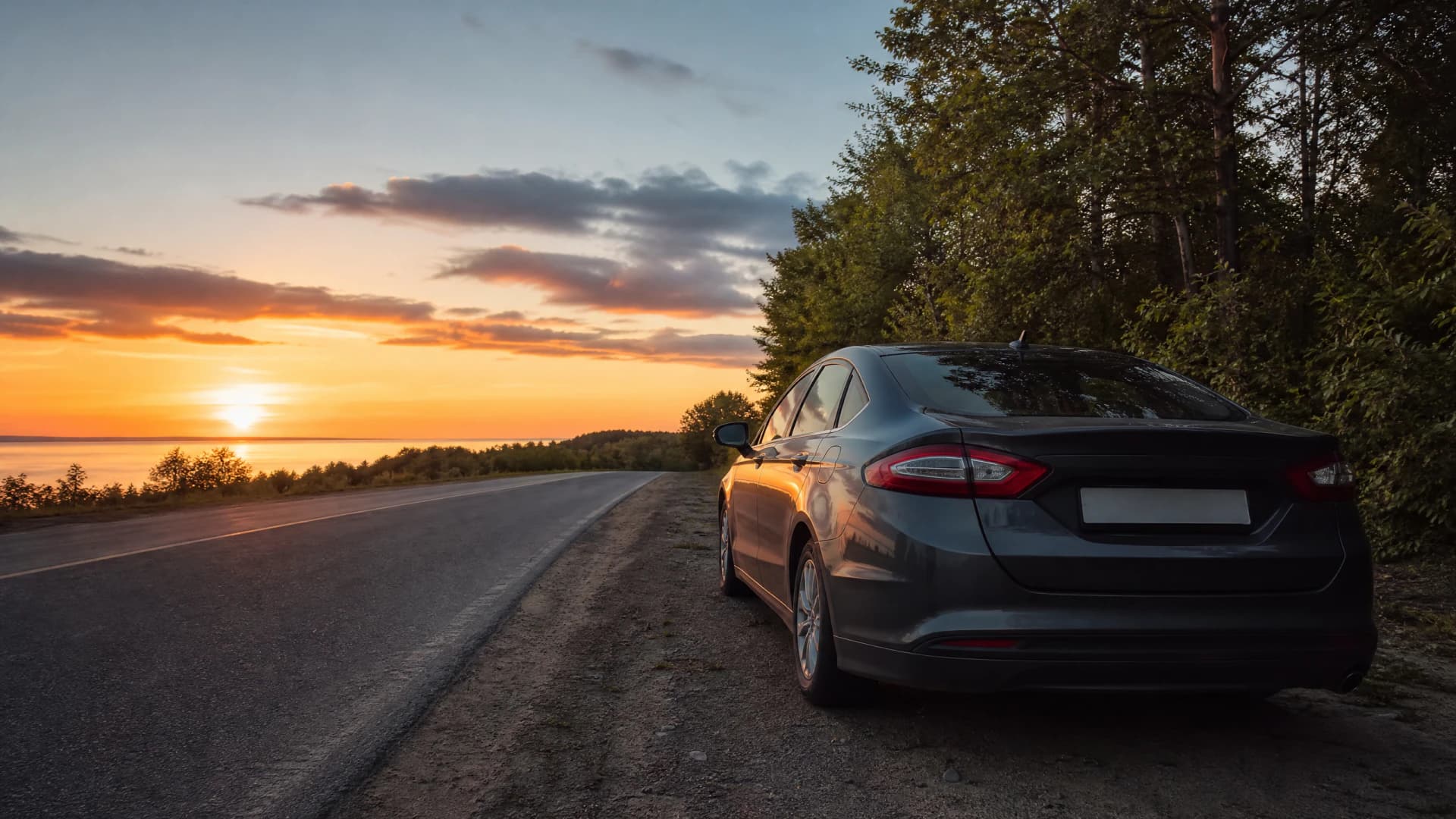
PIP follows the vehicle, not the driver. Add it to one car in your household, and only accidents in that car are covered. Add it to all three, and every driver and passenger across all three vehicles is protected.



When PIP Makes Sense for Multi-Vehicle Households
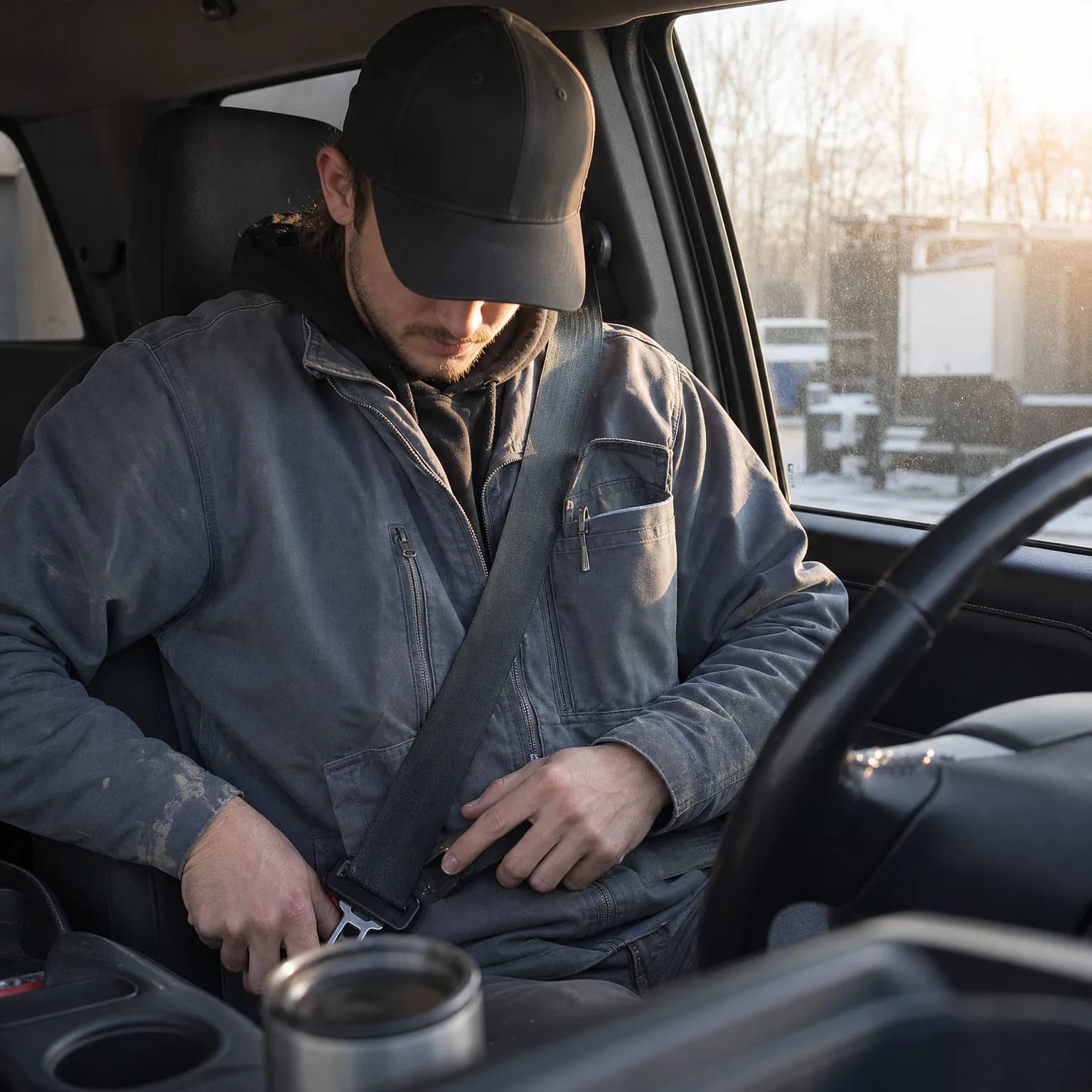
Households insuring multiple vehicles benefit from PIP when health insurance deductibles are high, when household members drive without health coverage, or when the household frequently carries passengers. A family with three cars, two working adults, and a teen driver faces higher accident exposure than a single-car household. PIP spreads medical-cost protection across every vehicle without requiring each driver to carry separate health coverage or meet separate deductibles.
PIP also matters in Arkansas because 12.1% of motorists are uninsured. When an uninsured driver causes an accident, their liability coverage does not exist. Your own liability does not cover your injuries. Uninsured motorist coverage pays for injuries the at-fault uninsured driver caused, but it requires proving fault and waiting for claim processing. PIP pays immediately, regardless of the other driver's insurance status or fault determination.
Households that carry minimum liability limits — $25,000 per person — face a gap when the at-fault driver's liability is exhausted by multiple injured parties in a serious accident. If three people are injured and the at-fault driver carries only $50,000 per accident in liability, that limit is split among all claimants. PIP ensures your own medical costs are covered up to your selected limit, independent of the at-fault driver's policy limits or the number of other claimants.
12.1%
Arkansas Uninsured Motorist Rate
More than one in ten drivers on Arkansas roads carries no insurance. When an uninsured driver causes an accident, PIP pays your medical costs immediately without waiting for fault determination or relying on the at-fault driver's nonexistent liability coverage.
Insurance Research Council, 2023

Adding PIP to Your Multi-Vehicle Policy
When you request a quote for a multi-vehicle policy, carriers offer PIP as an optional coverage with selectable limits. Adding PIP to all vehicles ensures every driver and passenger in your household is covered regardless of which car they are in at the time of the accident.
Carriers writing multi-vehicle policies in Arkansas include State Farm, Geico, Progressive, Allstate, Farmers, Liberty Mutual, Nationwide, and USAA. Not every carrier offers identical PIP limits or coverage options; some include lost-wage reimbursement and essential-services coverage by default, while others offer them as add-ons. When comparing quotes, confirm what each carrier's PIP policy includes and whether the limit applies per person or per accident.
Compare Multi-Vehicle Policies With and Without PIP
The decision to add PIP depends on your household's health insurance deductibles, the number of drivers and passengers you regularly carry, and your comfort with the gap between Arkansas minimum liability and the medical costs a serious accident can produce. Households with high-deductible health plans, teen drivers, elderly passengers, or frequent carpools gain the most from PIP. Households where every member carries comprehensive health insurance with low deductibles may find PIP redundant, though it still provides immediate payment and passenger protection health insurance does not.
Request quotes for your household's vehicles with and without PIP at several limits. Compare the difference in premium against your health plan's deductible and out-of-pocket maximum. Use the comparison tool to see which carriers offer PIP on multi-vehicle policies in Arkansas and what limits they write.
How PIP Stacks With Health Insurance
When you carry both PIP and health insurance, PIP pays your medical bills up to its limit immediately after the accident. Your health insurance does not pay until PIP is exhausted. This coordination-of-benefits rule means PIP shields your health plan's deductible and copays for accident-related injuries.
PIP also covers passengers who may not have health insurance, or whose health plans carry high out-of-pocket costs. If a household member, friend, or carpool passenger is injured in your vehicle, PIP pays their medical expenses without requiring them to file a liability claim against you. For multi-vehicle households that frequently carry passengers — carpools, teen drivers with friends, elderly parents — PIP removes the risk that an injured passenger sues to recover medical costs your liability coverage might not fully pay.
Get Your Free Quote
Get My Arkansas Car Insurance QuoteFrequently Asked Questions
Does Arkansas require Personal Injury Protection on auto insurance policies?
No. Arkansas does not mandate PIP or any medical-payments coverage. The state requires only liability insurance: $25,000 per person for bodily injury, $50,000 per accident, and $25,000 for property damage. PIP is optional.
Does PIP cover all drivers in a multi-vehicle household?
PIP follows the vehicle, not the driver. If you add PIP to all vehicles on your household policy, any driver or passenger in any of those cars is covered. If you add it to only one vehicle, only accidents in that specific car trigger coverage.
How does PIP work with health insurance?
PIP is primary, meaning it pays medical costs first, up to its limit, before your health insurance processes the claim. This shields your health plan's deductible and copays for accident-related injuries. Once PIP is exhausted, your health insurance covers remaining costs.
What does Personal Injury Protection actually pay for?
PIP covers medical expenses, rehabilitation, lost wages during recovery, and essential services you cannot perform while injured. Some policies include funeral costs. Coverage applies per person, per accident, up to the limit you select when adding PIP to your policy.
Should I add PIP if I already have health insurance?
PIP makes sense for households with high-deductible health plans, uninsured household members, or frequent passengers. It pays immediately without requiring fault determination, covers passengers who may lack health insurance, and shields your health deductible. Compare the annual cost against your health plan's out-of-pocket maximum.
Which Arkansas carriers offer PIP on multi-vehicle policies?
State Farm, Geico, Progressive, Allstate, Farmers, Liberty Mutual, Nationwide, and USAA write multi-vehicle policies in Arkansas and offer PIP as optional coverage. Limits and included benefits vary by carrier; request quotes to compare what each policy covers and at what limit.