
Collision Coverage for Multiple Vehicles — Arkansas
Free to compare
The Multi-Car Collision Question
You own two or more vehicles in Arkansas, and you're staring at a quote that offers collision coverage as a line item under each car. One vehicle is worth substantially more than the other. The natural question: do you need collision on both, or can you carry it on the newer car and drop it from the older one without breaking your multi-car discount or creating a coverage gap?
The structural reality most households miss: collision is a per-vehicle coverage, not a policy-wide mandate. Arkansas does not require collision at all — the state mandates only liability minimums of $25,000 per person, $50,000 per accident for bodily injury, and $25,000 for property damage. Collision is optional on every vehicle you own. The multi-car discount applies to the policy as a whole, not to whether every car carries the same coverage stack. You can structure collision differently across your vehicles without losing the discount, but the way you structure it changes your total premium and your out-of-pocket risk if a car is damaged.
“The multi-car discount applies to the policy as a whole, not to whether every car carries the same coverage stack.”

Find Coverage That Keeps You Legal in Arkansas
Get My Arkansas Car Insurance Quote$25,000 / $50,000 / $25,000
Arkansas Liability Minimums
Arkansas requires bodily injury coverage of $25,000 per person and $50,000 per accident, plus $25,000 property damage. Collision is not part of the state minimum — it protects your own vehicle, not others.
Arkansas Dept of Finance and Administration, Office of Driver Services
What Collision Actually Covers Per Vehicle
Collision pays to repair or replace your vehicle after a crash with another car or object, regardless of fault. It is a first-party coverage: the claim goes to your own carrier, not the other driver's. The payout is capped at the vehicle's actual cash value minus your deductible. If your car is worth less than the deductible plus a year or two of collision premium, the coverage costs more than the maximum payout you could receive.
When you insure multiple vehicles on one Arkansas policy, each car gets its own collision election and its own deductible. A household with a newer sedan and an older truck can carry collision with a $500 deductible on the sedan and drop it entirely from the truck. The policy stays intact, the multi-car discount remains, and the total premium drops by the collision premium that was attached to the truck.
The structural confusion arises because many households assume the multi-car discount requires identical coverage across all vehicles. It does not. The discount applies when multiple vehicles sit on the same policy and share a garaging address — coverage levels per vehicle do not affect eligibility. What changes is the total premium: dropping collision from one car lowers the policy cost, but leaves that vehicle unprotected for at-fault or single-vehicle crashes.
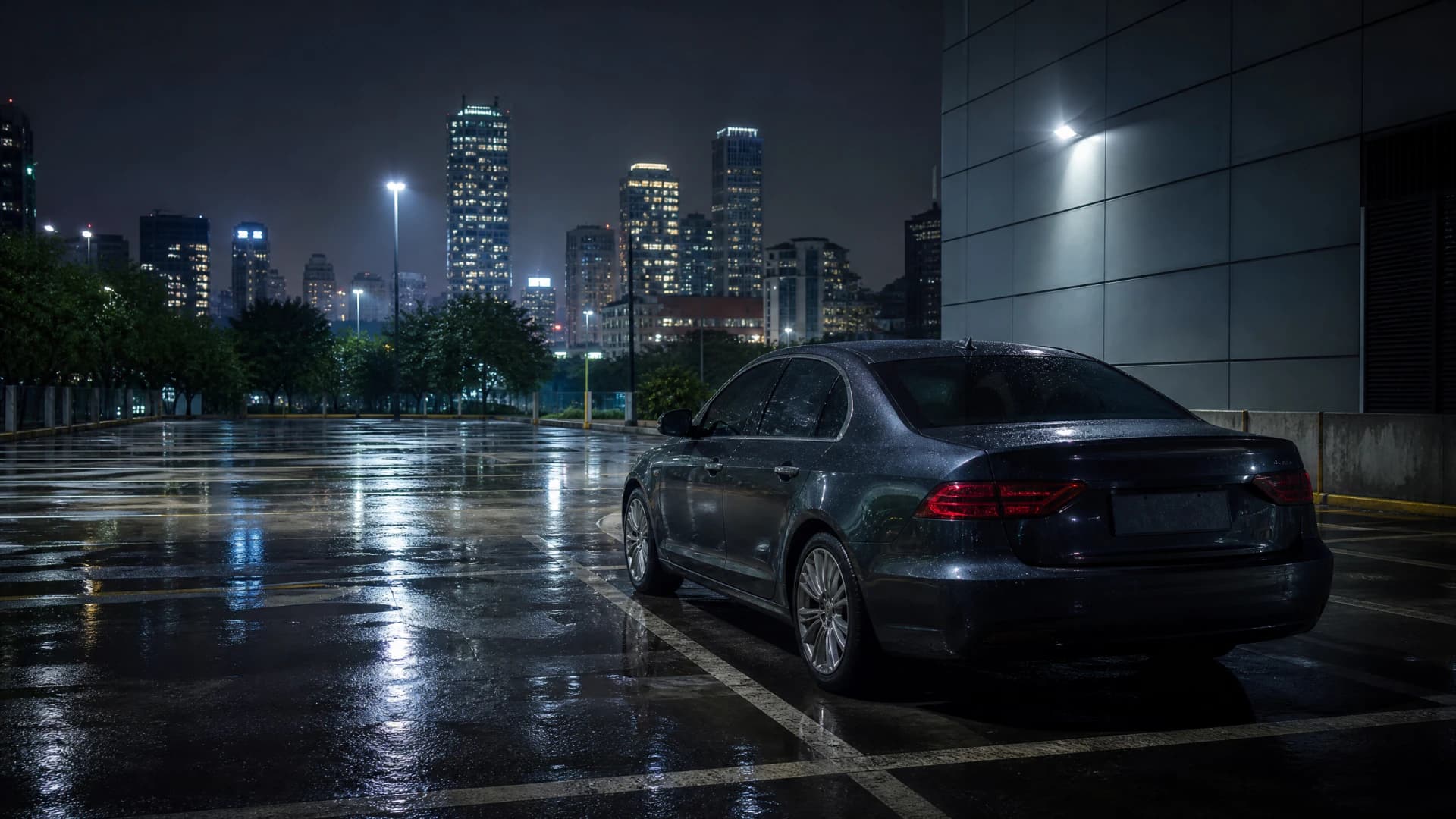
The multi-car discount does not require identical coverage on every vehicle — you can carry collision on one car and drop it from another without losing the discount.
Related Articles






Deductible Choices and Per-Vehicle Premium Impact
Each vehicle on your Arkansas policy can carry a different collision deductible. Common choices are $500 or $1,000. A higher deductible lowers the collision premium but increases your out-of-pocket cost at claim time. For a newer vehicle you intend to keep long-term, a $500 deductible provides lower immediate cost after a crash. For an older vehicle where you are keeping collision only because the car still has moderate value, a $1,000 deductible reduces the annual premium and makes sense if you can cover the higher deductible from savings.
Mixing deductibles across vehicles is common in multi-car households. The newer sedan carries a $500 deductible; the older SUV carries a $1,000 deductible or drops collision entirely. The policy remains a single multi-car policy, the discount applies, and the total premium reflects the per-vehicle choices you made. Carriers do not penalize mixed structures — they price each vehicle independently and sum the premiums.
One failure mode households miss: if you finance or lease any vehicle on the policy, the lienholder requires collision and comprehensive with a maximum deductible cap, typically $1,000. You cannot drop collision from a financed car even if its value is marginal. The lien must be satisfied before you can restructure that vehicle's coverage. For owned vehicles, the choice is entirely yours.
12.1%
Arkansas Uninsured Motorist Rate
Roughly one in eight Arkansas drivers carries no insurance. Collision covers your own vehicle after a crash regardless of the other driver's insurance status — uninsured motorist property damage does not.
Insurance Research Council, 2023

When Dropping Collision Creates a Coverage Gap
Collision is the only coverage that pays for damage to your own vehicle after an at-fault crash or a single-vehicle accident. If you drop it, you carry the full repair or replacement cost yourself. Liability coverage pays for damage you cause to others; it does not pay to fix your own car. Uninsured motorist property damage covers your vehicle only when the other driver is uninsured and at fault — it does not cover at-fault crashes or single-vehicle incidents like hitting a tree or rolling into a ditch.
For households with multiple vehicles, the gap matters most when the vehicle without collision is the primary commuter car or the car driven by a newer driver. A single-vehicle crash or an at-fault collision totals the car, and you receive no insurance payout. If the household budget cannot absorb that loss, dropping collision was the wrong structural choice even if the premium savings looked attractive up front.
Compare Carriers That Write Multi-Car Policies in Arkansas
Collision premium varies significantly by carrier, even for the same vehicle and deductible. Arkansas households insuring multiple cars should compare quotes from carriers that write multi-car policies and offer per-vehicle coverage customization. Carriers writing in Arkansas include State Farm, GEICO, Progressive, Allstate, Farmers, Nationwide, and others. Each prices collision differently based on vehicle value, driver history, and garaging location.
When you request quotes, specify exactly which vehicles will carry collision and which will not. The quote should reflect the multi-car discount and show the per-vehicle premium breakdown. If one carrier's collision premium on the older vehicle is low enough that keeping it makes sense, that changes the decision. If another carrier's multi-car discount is larger, the total savings may offset the collision premium you were planning to drop. The comparison must account for both the discount and the per-vehicle coverage cost to find the best structure for your household.
How to Structure Collision Across Multiple Vehicles
Start with vehicle value. Collision makes financial sense when the car is worth substantially more than the annual collision premium plus deductible. A common threshold: if the vehicle's actual cash value is less than ten times the annual collision premium, the coverage costs more over a few years than the maximum claim payout.
Next, assess household cash reserves. If you can replace the older vehicle out of pocket without financial strain, dropping collision from that car and keeping it on the newer one reduces total premium while preserving protection where it matters most. If a total loss on any vehicle would create immediate financial hardship, collision on both cars may be the safer structure even if the older car's value is marginal.
Get Your Free Quote
Get My Arkansas Car Insurance QuoteFrequently Asked Questions
Can I drop collision from one car on my multi-car policy in Arkansas?
Yes. Collision is a per-vehicle coverage, and Arkansas does not require it. You can carry collision on one vehicle and drop it from another without losing your multi-car discount. The discount applies when multiple vehicles sit on the same policy, not based on identical coverage levels.
Does dropping collision from an older car affect my multi-car discount?
No. The multi-car discount applies to the policy structure — multiple vehicles on one policy sharing a garaging address — not to the coverage levels on each vehicle. Dropping collision from one car lowers your total premium but does not affect discount eligibility.
What happens if I total a car that does not have collision coverage?
You receive no insurance payout for damage to your own vehicle. Liability covers damage you cause to others, and uninsured motorist property damage covers your car only when the other driver is uninsured and at fault. Collision is the only coverage that pays for your vehicle after an at-fault or single-vehicle crash.
Can each vehicle on my Arkansas policy have a different collision deductible?
Yes. Each vehicle can carry a different deductible. Common choices are $500 or $1,000. A higher deductible lowers the collision premium but increases your out-of-pocket cost at claim time. Mixing deductibles across vehicles is standard in multi-car households.
Do I need collision on a financed vehicle in Arkansas?
Yes, if your lender requires it. Most finance and lease agreements mandate collision and comprehensive coverage with a maximum deductible, typically $1,000. You cannot drop collision from a financed vehicle until the lien is satisfied, regardless of the vehicle's value.
How do I know if collision is worth keeping on an older car?
Compare the vehicle's actual cash value to the annual collision premium plus deductible. If the car is worth less than ten times the annual premium, the coverage often costs more over a few years than the maximum payout. If you can replace the car out of pocket, dropping collision and keeping it on newer vehicles reduces total premium.